The organisation, in collaboration with CETEM, has led the third Spanish workshop of the MASTERY project, which aims to validate and prioritise proposals to facilitate the roll-out of green micro-credentials tailored to the needs of training and the labour market.
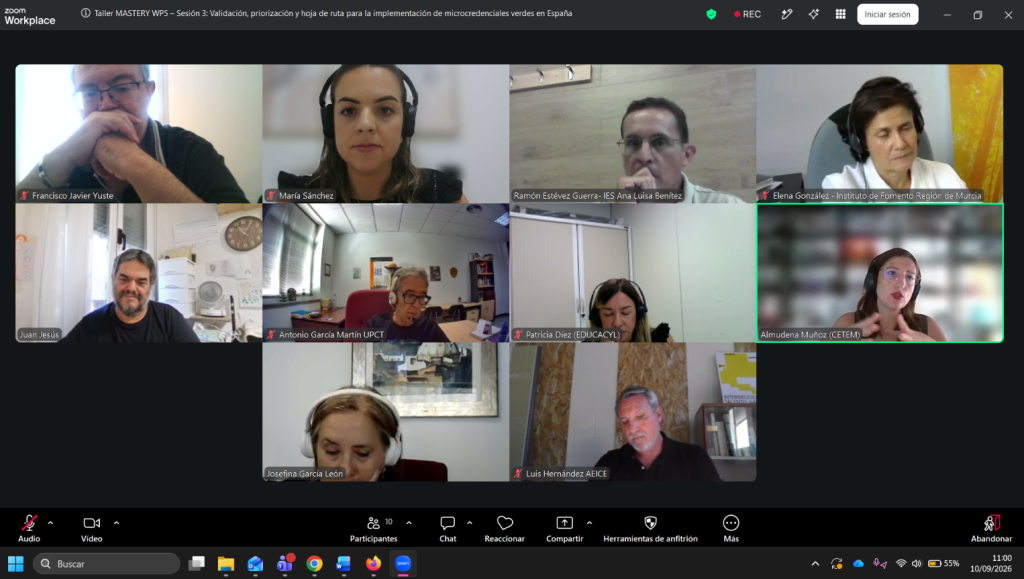
On 10 September 2026, AMUEBLA organised, with the support of CETEM, the third Spanish workshop under Work Package 5 of the European MASTERY project. This online session brought to a close a gradual process of dialogue and co-creation that began in June and was aimed at defining specific actions to promote the development, recognition and use of green micro-credentials in Spain.
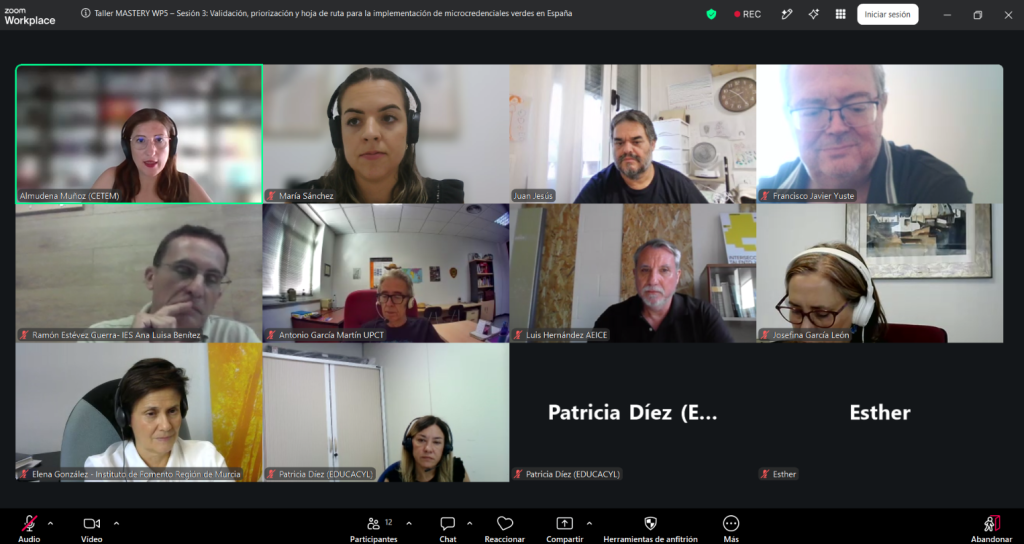
The event brought together ten representatives from vocational training, universities, public authorities, businesses, technology centres and other organisations involved in employment and skills development. This diversity enabled the proposals to be analysed from different perspectives and both their potential impact and their feasibility to be assessed.
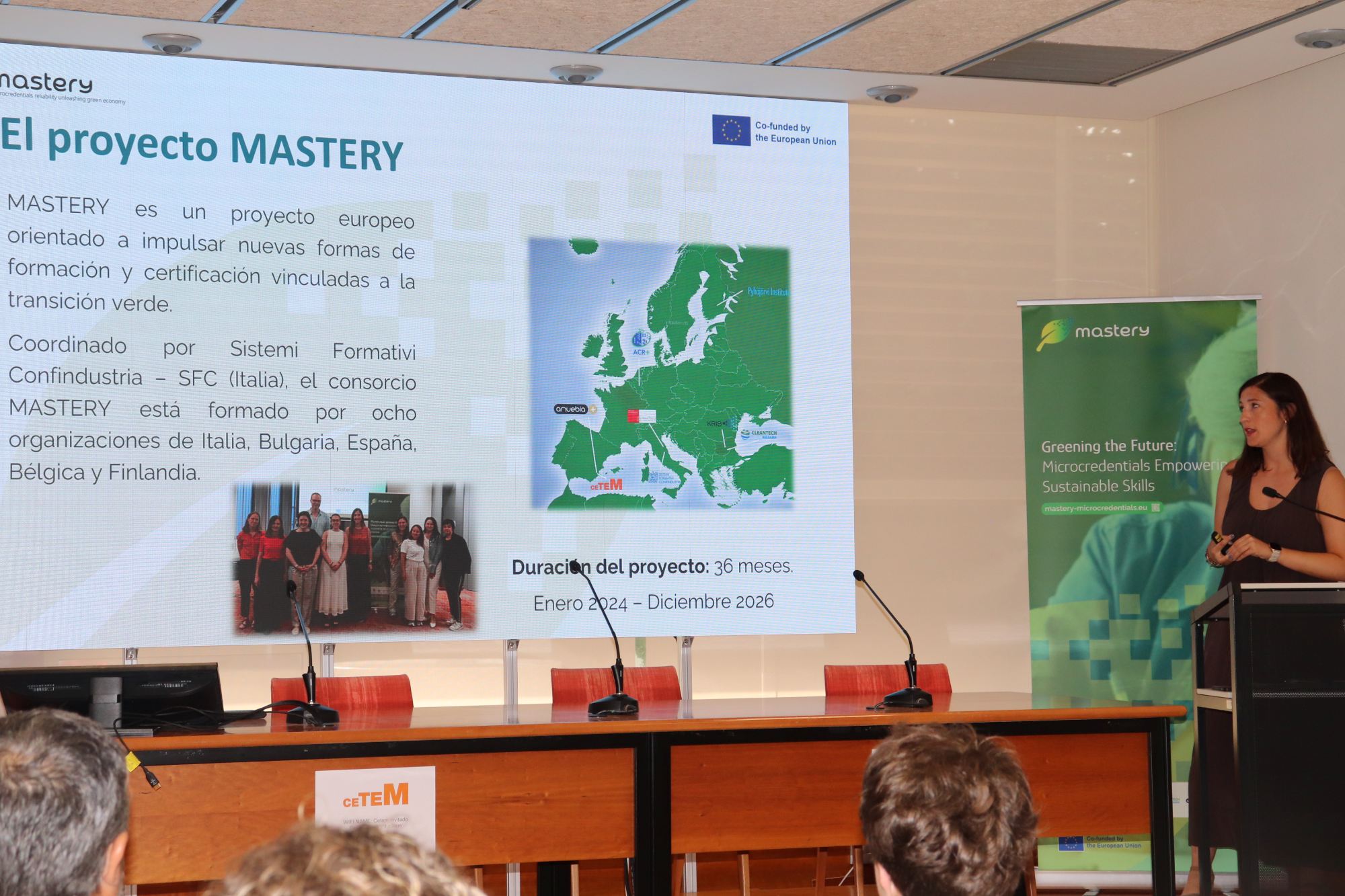
The work carried out during this third session built on the results of the two previous workshops, organised by CETEM in collaboration with AMUEBLA.
The first, held online on 30 June with 12 participants, focused on developing a shared understanding of micro-credentials and identifying the main challenges to their implementation. The second took place in person on 21 July at CETEM’s premises and enabled the priorities identified to be turned into initial proposals.
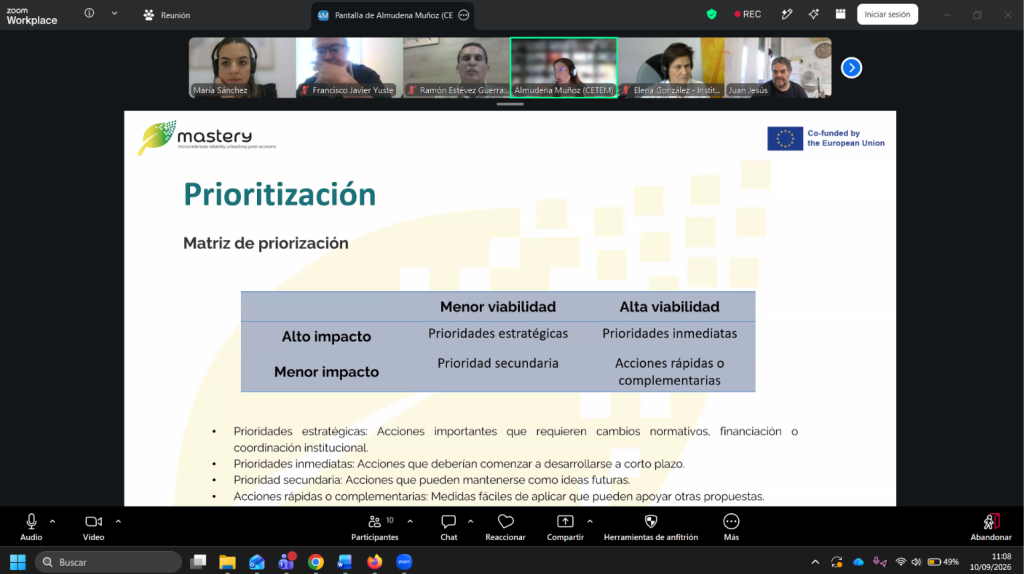
Rather than launching a new round of idea-gathering, the third workshop focused on reviewing, finalising, validating and prioritising seven proposals:
1. Establish a framework for the official recognition of micro-credentials.
2. Create a permanent mechanism for coordination between businesses, training centres, public authorities and employment services.
3. Design micro-credentials based on the actual needs of businesses, sectors and job roles.
4. Develop a dissemination and awareness-raising strategy tailored to different audiences.
5. Provide technical support services to facilitate their implementation.
6. Introduce funding mechanisms, grants and incentives.
7. Promote flexible, practical, modular and up-to-date training.
These results highlight the need for micro-credentials not to be developed in isolation, but rather through ongoing collaboration between the education system, public authorities and the business community. To be useful, they must address specific skills, be underpinned by reliable assessment and recognition systems, and be capable of adapting to changes in the labour market.
Through this work, AMUEBLA reinforces its commitment to flexible, accessible training that is aligned with the needs of businesses and workers, and which can contribute to the development of the talent required for the green transition.